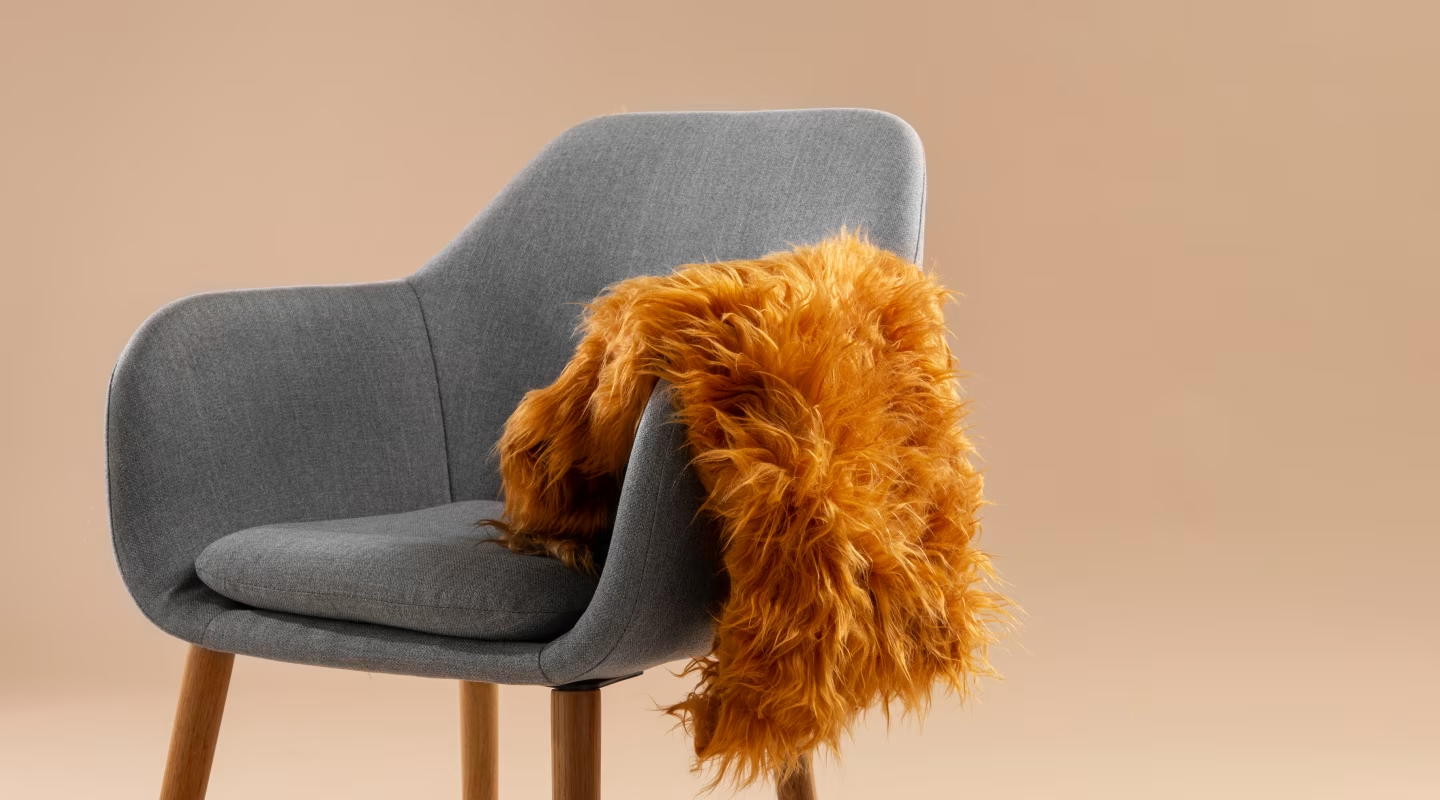
Props
Role
Mummy, Inhouse UX writer, Copywriter, UX Researcher, Content Strategist
Timeline
10 days
Stakeholders
Lead designer, Frontend Developer
Tools Used
Figma, Google Docs, Contentful
A key component of this project was to do the UX research and develop the content strategy and voice tone for the website while communicating with users.
Visit WebsiteOverview
Props is a showcase site for a fictional furniture company by a Lagos-based design firm to position them as industry leaders.
Scope
Content redesign and copywriting
Understand ing the Brand
First, I talked to the team to understand the values they wanted the website to show. They identified timelessness, style, individuality, and craftsmanship as important. These values shaped the brand's personality.
Tone and Voice
Based on the values we discussed, I suggested a voice that is elegant, sophisticated, and passionate, with a warm and inviting tone. We wanted to connect with users emotionally. The team agreed with this idea.
Identifying the Key Idea
To create effective content, we needed a central idea. I followed these steps: - Identified the main problem that Props Furniture solves. - Analyzed what makes Props unique and would appeal to users. - Researched the market to find more unique qualities.
Unique Selling Points
Based on the research, I identified the following unique selling points: - Customization: Furniture tailored to individual preferences. - Timeless Design: Style that never went out of fashion - Craftsmanship and Quality: Attention to detail and use of high-quality materials. - Storytelling and Memories: Furniture that tells personal stories and creates cherished memories. - Functionality: Furniture that combines beauty with practicality. - Attention to Detail: Careful craftsmanship and precision. - Enduring Value: Furniture that lasts a long time
Emotional Benefits
To make these unique selling points relatable, I focused on how they benefit users emotionally. I asked questions like: - Why is this feature special? - How does it solve a problem? - What pain points does it address? - When does it matter the most? - Why would users want this?
Outcomes
Building my vocabulary and pleasing the client wasn’t the end goal. Having all that and not helping the users would mean I did a terrible job. Our words as UX writers aren't there to be admired, but rather to help users achieve their goals - a bonus if it makes them smile in the process. For readability: I aimed for a Flesch Kincaid grade level of 8, which is sufficient for 85% of the general public to understand without consulting a dictionary. For comprehension: I ran the cloze test, in which I replaced every sixth word in the copy with a blank to see if testers could predict the next word in the copy to grasp the main context.
Understand ing the Audience
Next, I researched the target audience for Props Furniture. Based on the team's input, I created a profile of the ideal customer. They were homeowners who valued elegance, style, and individuality. They cared about personalized furniture that could be passed down through generations. They had an interest in interior design, craftsmanship, and creating unique living spaces.

Before UX writing
After UX writing